



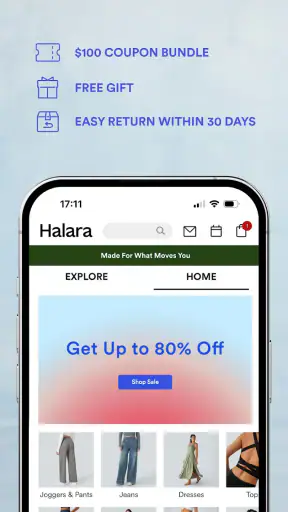
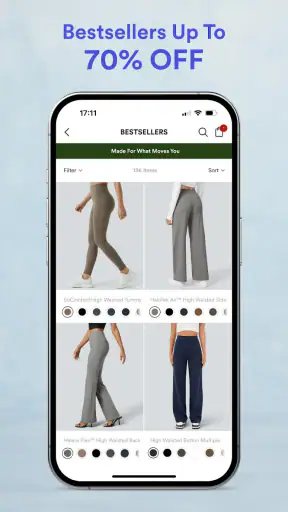
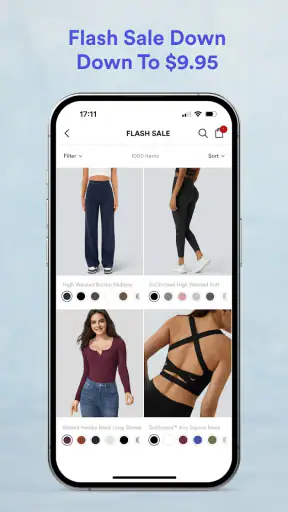
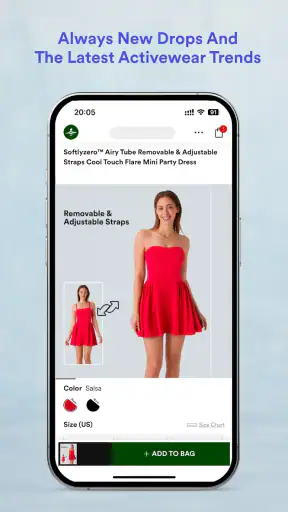
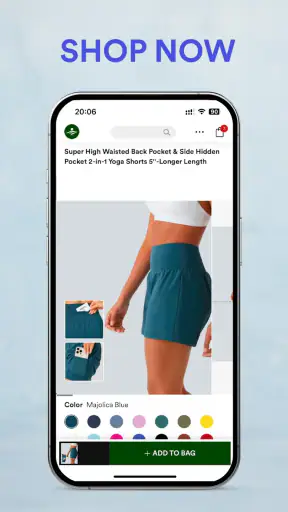
Shopping for activewear on a phone can feel surprisingly difficult. A product may look perfect in a photo, yet the useful questions are usually more practical: will the fabric suit the way I plan to wear it, can I find a size without endless searching, and is the app pleasant enough to use when I am only browsing? I spent time with Halara to answer those questions from a first-time shopper’s point of view, rather than treating it as just another clothing storefront.
Halara is a free shopping app from FULL SCALE FULL SPEED PTE.LTD. Its focus is athleisure clothing, with skirts, leggings, and other casual activewear presented for different body sizes and everyday routines. The app is rated for Everyone, runs on Android devices using version 7.0 or later, and the current version is 2.7.2. It was released on January 29, 2021, and its audience has grown to more than five million installs, with an average rating of 4.6 from roughly seventeen thousand ratings.
From opening the app to making a confident first choice
What to expect when you first open Halara
My first impression is that Halara is built for visual browsing. The experience is closer to walking through a focused clothing shop than opening a general marketplace crowded with unrelated sellers. That narrow focus helps when I already want leggings, a casual skirt, or an outfit that can move from errands to light exercise. I do not have to filter through electronics, home goods, or unrelated fashion before reaching the kind of clothing I came to see.
The app’s strongest appeal is the combination of casual styling and practical use. The clothing is positioned around athleisure rather than formalwear, so I would look here for pieces that can work during a commute, a coffee run, a relaxed day at home, or a low-key workout. That also defines the app’s limits. Someone searching for tailored office clothing, formal dresses, or a broad multi-brand marketplace will probably have a better experience elsewhere.
I recommend approaching the catalog with a specific need instead of opening it with no plan. For example, I might be looking for a skirt that is comfortable for walking, leggings for travel, or a top to combine with clothes I already own. This makes the visual catalog easier to judge and reduces the temptation to choose something simply because the model styling looks appealing.
The store presentation emphasizes affordability, a wide size range, and functional design. I treat those as reasons to investigate an item, not as guarantees that every piece will suit every body or activity. Clothing fit depends on shape, fabric preference, and how much support or coverage I personally want. The app can help me compare options, but it cannot replace reading the item information carefully and thinking about how I will actually wear it.
Setting up without turning browsing into a chore
Getting started is straightforward because the app is free to install. I would begin by opening the shopping experience and browsing before making any serious decision. That first pass matters: it lets me understand the visual style, notice which categories interest me, and avoid creating a rushed order based on the first attractive image.
For a first-time user, the most useful preparation is not technical setup but personal setup. I would decide what kind of garment I need, where I expect to wear it, and which fit details matter most. If I want leggings for sitting and walking, comfort and coverage may matter more than a dramatic look. If I want a skirt for daily errands, pockets, movement, and how easily it works with existing tops may become more important.
I also suggest keeping a note of the size information that applies to me before comparing several products. It is easy to move between attractive listings and forget that different cuts can feel different even when the nominal size is the same. I would check the size guidance for each item rather than assuming one choice automatically transfers across the catalog.
Another useful habit is to separate “I like the photo” from “this solves my problem.” A coordinated outfit can look convincing on a product page, but my real wardrobe may need one versatile item instead. Halara is more useful when I use the catalog to build a decision, not when I let the presentation make the decision for me.
The first meaningful action: choosing one item with a purpose
My first successful action in Halara would not be placing an order immediately. It would be narrowing the catalog to one garment that fits a real situation. I might choose a pair of leggings for a long travel day, then compare its appearance and practical details with another pair intended for a different kind of wear. This gives the app a clear job: helping me make a considered clothing choice.
When I inspect an item, I look at it from three angles. First, does the design match clothes I already own? Second, does the intended use match my routine? Third, does the sizing information give me enough confidence to continue? If the answer to all three is yes, I can move toward the cart without feeling that I am shopping purely on impulse.
A practical workflow is to choose a base garment first and build around it. For example, if I select a neutral-looking skirt, I can think about the tops and shoes already in my wardrobe before adding anything else. This is more reliable than starting with a complete outfit recommendation, because it tests whether the purchase will be useful beyond the promotional styling shown in the app.
I would also pause before checkout and reread the selected item’s details. The key question is not only whether the item looks good, but whether I understand what I am buying. If I cannot explain where I will wear it, what I expect from the fit, and how it will work with my existing clothes, I would return to browsing rather than force a decision.
That slower approach is especially helpful for activewear. A garment used for movement has different needs from one worn mainly for appearance. A pair of leggings may be excellent for casual use but not the right choice for intense training. A skirt may be convenient for daily movement but not suitable for every sport. I see Halara as a place to find wearable athleisure, while the final choice should still reflect the activity I have in mind.
Where new shoppers can become confused
The biggest possible confusion is treating a polished product image as a complete description. Clothing photos communicate color, silhouette, and styling well, but they do not tell me everything about how a piece will feel during a full day. I need to read the listing details and consider whether the garment’s intended use matches my own expectations.
Another common mistake is assuming that “all sizes” means I can skip the sizing process. A broad size offering is useful, but it does not remove the need to compare my measurements or usual fit preferences with the item’s guidance. Someone who prefers a close fit may choose differently from someone who wants room for layering, even when both normally buy the same general size.
The app can also encourage comparison fatigue. Once I start browsing skirts or leggings, similar-looking products can blur together. I avoid this by keeping a short mental list of what separates one choice from another: the reason I want it, the styling options, the expected comfort, and whether it fills a gap in my wardrobe. If two items seem equally suitable, I would choose the one that works with more clothes I already have.
I would not use Halara as my only source of information for a time-sensitive purchase. If I need a garment for a trip tomorrow or for a specific event with no room for uncertainty, I would prefer a retailer whose delivery and return arrangements I already understand. The app is better suited to planned shopping, where I can examine choices calmly rather than relying on a last-minute solution.
How it compares with ordinary alternatives
Compared with a general online marketplace, Halara feels more focused. That focus is its main advantage: I can spend my attention on athleisure instead of sorting through a huge mixture of brands and product types. The trade-off is selection outside that style. A broad marketplace may be better if I want to compare many labels, materials, price levels, or unrelated clothing categories in one place.
Compared with shopping through a mobile browser, a dedicated app can feel more convenient for repeated browsing because the clothing catalog is presented as a single shopping destination. I find that useful when I am comparing several pieces over time. On the other hand, a browser-based retailer may be preferable if I want to keep many shopping tabs open, compare independent retailers side by side, or avoid adding another shopping app to my phone.
Compared with visiting a physical store, Halara offers more time to browse without sales-floor pressure, but it removes the immediate benefit of touching fabric and trying on a garment. That difference matters for people who are very sensitive to texture, compression, or fit. I would choose the app when convenience and visual comparison matter most, and a physical store when tactile certainty is more important than selection from home.
The app’s free price also lowers the barrier to trying it, but free access should not be confused with risk-free shopping. The real commitment begins when I select clothing, so I still need to make careful choices and understand the purchase process before completing an order.
Useful ways to get more from the catalog
One useful technique is to shop by routine rather than by garment name. Instead of asking only whether I want leggings, I ask whether I need them for commuting, relaxing, walking, or exercise. That question changes what I prioritize and prevents me from buying a piece that looks versatile but does not fit my actual day.
A second technique is to test wardrobe compatibility before checkout. I picture at least three outfits using clothes I already own. If the item only works with one special combination, it may be less valuable than a simpler piece that fits several parts of my wardrobe. This is particularly important when browsing coordinated athleisure looks, because styling can make a complete outfit seem more necessary than it really is.
A third is to use a two-stage decision. On the first visit, I collect a small group of candidates. On the second look, I remove anything that does not meet my original purpose. This helps me distinguish lasting usefulness from the excitement of discovering a new style. It is a simple habit, but it makes a visual shopping app feel much more deliberate.
I would also compare the garment’s role with my comfort threshold. Some shoppers want a soft, relaxed feel, while others prefer a secure, shaped fit. A product that is excellent for one preference may be frustrating for the other. Thinking about this before ordering is more helpful than assuming that a fashionable cut automatically means comfortable wear.
Who should use it, and who should skip it
Halara is a good fit for someone who wants a dedicated athleisure shopping experience and enjoys exploring clothing visually. It should appeal to shoppers looking for everyday skirts, leggings, and casual pieces that can support an active or relaxed lifestyle. It is also useful for people who want to browse a size-inclusive range in one focused place instead of starting with a general fashion marketplace.
I would recommend it most strongly to a first-time shopper who is patient enough to compare items and realistic about online clothing purchases. The app can make discovery easy, but the best results come from users who check fit information, think about use, and choose pieces that connect with an existing wardrobe.
I would skip it if my priority is formal fashion, a physical fitting-room experience, or a highly specialized sports garment where technical performance is the central concern. I would also look elsewhere if I need to compare many unrelated brands or want a single app for groceries, electronics, home products, and clothing. Halara’s focused identity is helpful only when that focus matches what I want.
My next step after the first browse
After finding a promising item, I would not immediately expand the cart just to create a complete look. I would first decide whether the original garment is genuinely useful on its own. If it is, I can then consider one complementary piece, but only if that addition solves a separate wardrobe need. This keeps the shopping process practical and reduces unnecessary impulse purchases.
I would return to the app when I have a clear clothing problem to solve: a comfortable travel outfit, a casual skirt for repeated wear, or leggings that fit into my everyday rotation. That gives each visit a purpose and makes it easier to judge whether Halara is helping me rather than simply giving me more things to browse.
Overall, I found Halara most convincing as a focused, approachable shopping app for casual activewear. Its free access, clear clothing focus, and broad audience make it easy to try, while its limitations are the normal ones that come with buying clothes from a screen: fit, feel, and suitability still require personal judgment. My recommendation is to use Halara as a thoughtful wardrobe-planning tool, not as a shortcut around the decision. If your everyday style sits between comfort and casual activity, it is worth exploring; if you need formalwear, specialist performance gear, or immediate in-person certainty, another shopping route will likely serve you better.


